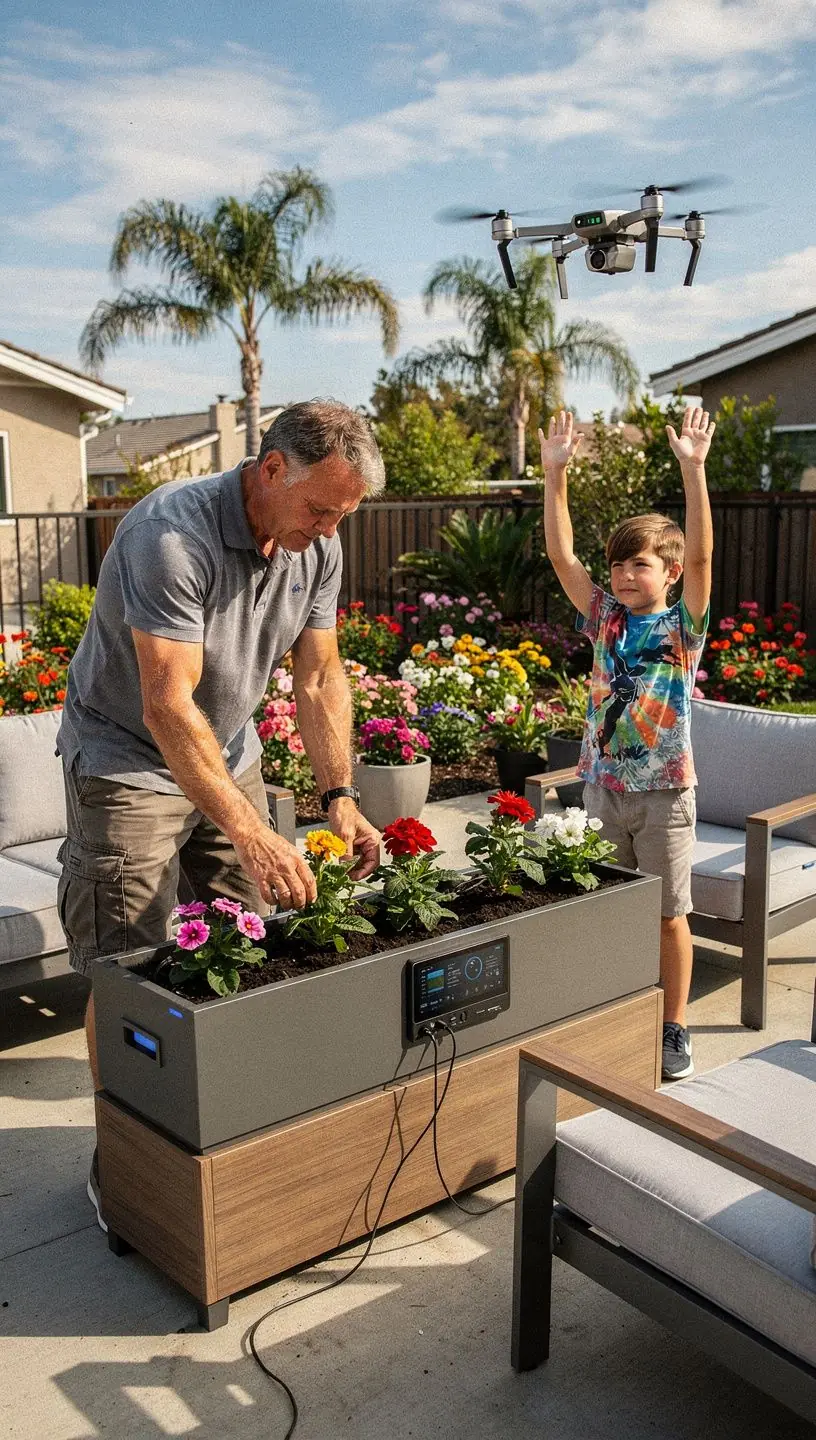
How to Create a Smart Garden Setup
In today's fast-paced world, many garden enthusiasts are turning to smart technology to enhance their gardening experience. Creating a smart garden setup can improve efficiency, reduce water usage, and even save time. This guide will explore practical steps to help you set up your own smart garden.
Understanding the Basics of a Smart Garden
A smart garden typically integrates technology to automate and optimize various gardening tasks. Experts suggest that such configurations can lead to healthier plants and reduced labor. According to a study by the American Society of Horticultural Science, smart gardening practices often result in a 20-30% increase in yield and resource efficiency.

"Smart gardening techniques can drastically enhance plant health and productivity, making it a viable option for modern gardeners." - Horticultural Expert
Essential Components for Your Smart Garden
To create a functional smart garden, consider incorporating the following components:
- Smart Irrigation Systems: These systems can automatically adjust watering schedules based on weather conditions, helping to conserve water. Many users report a significant reduction in water usage.
- Soil Sensors: These devices measure soil moisture, pH, and nutrient levels. They provide real-time data to help you understand the specific needs of your plants.
- Smart Lighting: LED grow lights can be programmed to mimic natural sunlight, which is particularly beneficial during the winter months or in low-light areas.
- Automated Garden Controllers: These devices can manage all your garden's smart components from a single app, streamlining the process and ensuring your plants get the care they need.
Step-by-Step Setup Process
- Research and Choose Your Technology: Before investing, research various smart gardening tools and technologies. Consider how each component can meet your specific gardening needs.
- Install Smart Irrigation: Set up a smart irrigation system that connects to your Wi-Fi. According to industry standards, most systems require about 2-4 hours for proper installation.
- Integrate Soil Sensors: Place soil sensors in various spots within your garden. These typically require minimal setup and can operate on battery power for several months.
- Connect to a Unified App: Download the corresponding app for your smart devices. This may involve creating an account and connecting each device to your home network.
- Monitor and Adjust: Over the next few weeks, monitor the data provided by your sensors and irrigation system. Adjust your settings based on the feedback to optimize plant care.
Maintaining Your Smart Garden
Once your smart garden is up and running, regular maintenance is crucial. It typically requires checking devices for updates, cleaning sensors, and adjusting watering schedules based on seasonal changes. Many users find this maintenance manageable and rewarding, as it allows for a more hands-off gardening approach.
Conclusion
Creating a smart garden can transform the way you approach gardening. By integrating technology that automates tasks and provides valuable insights, you can enhance plant health and save time. While setting up a smart garden requires an initial investment of time and resources, the long-term benefits can be significant. Remember, results may take some time to manifest, typically within the first growing season.