Practical Steps to Reduce Energy Consumption at Home
As energy costs continue to rise, homeowners in Canada are increasingly seeking ways to reduce their energy consumption. Implementing energy-saving measures can lead to both environmental benefits and significant savings on utility bills. This article outlines practical steps that can help you lower your energy usage effectively.
Understanding the Basics of Energy Consumption
Household energy consumption typically revolves around heating, cooling, lighting, and appliance usage. According to Natural Resources Canada, household energy use accounts for about 17% of the country's total GHG emissions. Understanding where and how energy is consumed is the first step towards effective reduction.

"Reducing energy consumption not only saves money but also helps in mitigating climate change." - Energy Expert
Practical Steps to Reduce Energy Consumption
- Conduct an Energy Audit: Engaging in a home energy audit can help identify where your home is losing energy. Many utility companies offer this service for free or at a reduced cost. The audit typically involves assessing insulation, heating and cooling systems, and overall energy efficiency.
- Upgrade to Energy-Efficient Appliances: Many households can benefit from replacing old appliances with energy-efficient models. The Energy Star label indicates appliances that meet strict efficiency guidelines. Investing in these appliances can lead to energy savings of 10-50%, depending on the item.
- Improve Insulation: Proper insulation in walls, attics, and basements can significantly reduce heating and cooling requirements. According to studies, homes with sufficient insulation can save up to 30% on heating costs. This improvement works best when combined with air sealing to prevent drafts.
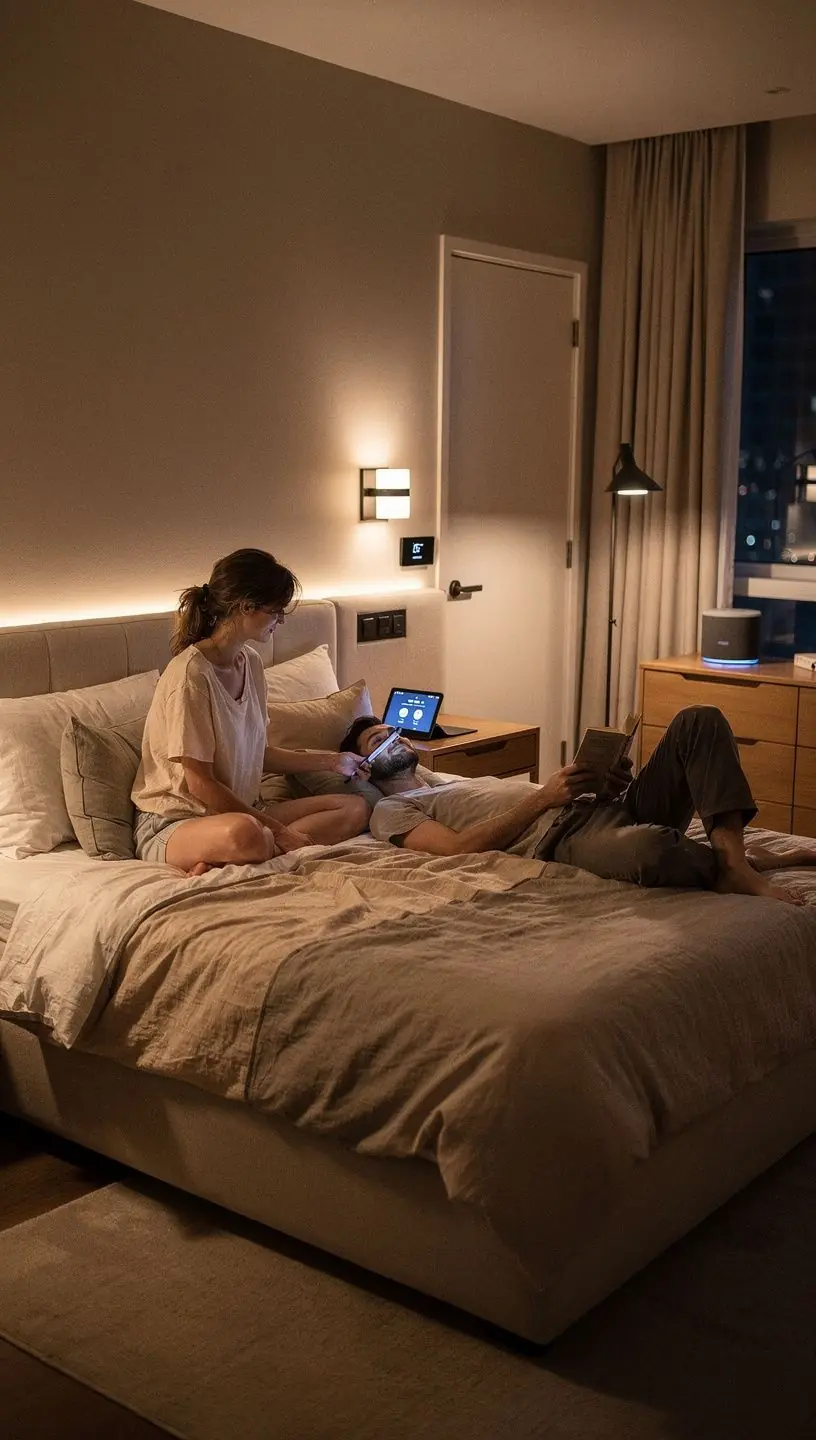
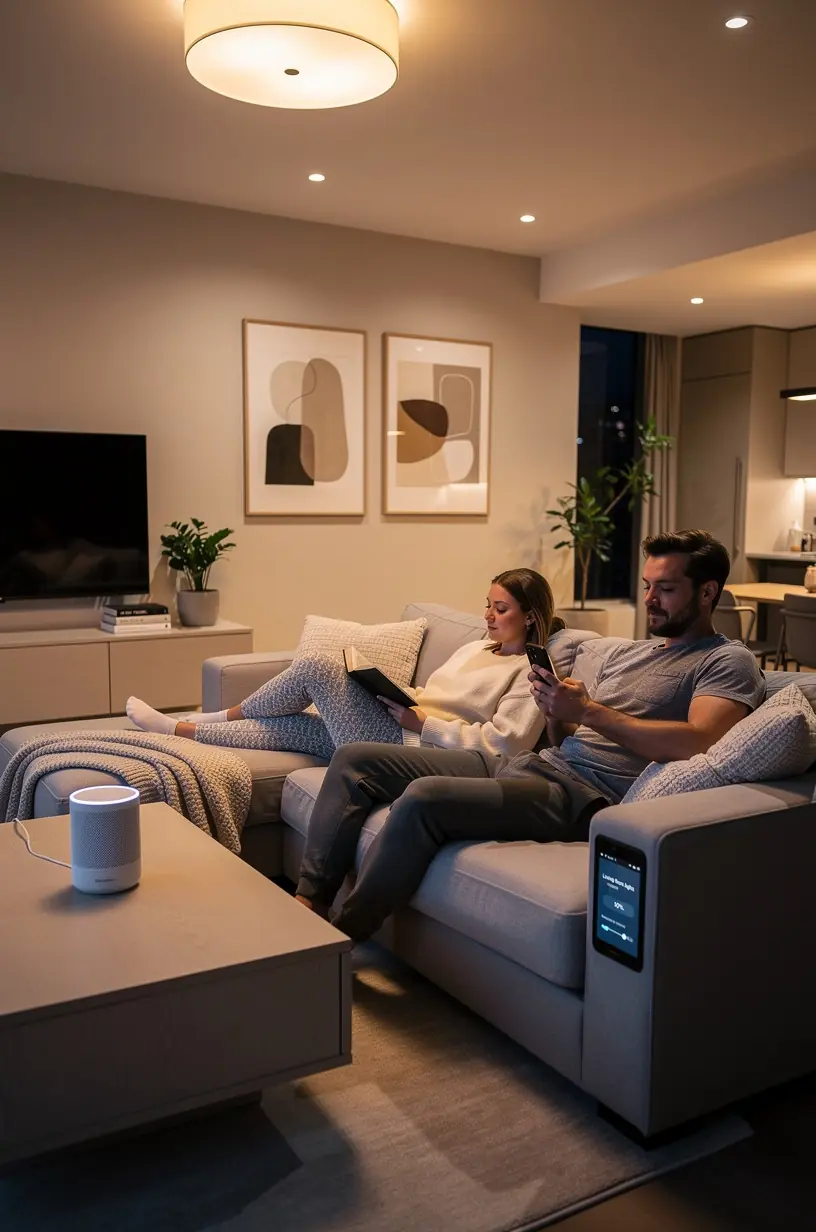
- Utilize Smart Home Technology: Smart thermostats and energy monitoring systems can help manage your home’s energy consumption actively. Research indicates that smart thermostats can reduce heating and cooling costs by about 10-12% compared to traditional thermostats.
- Practice Energy-Saving Habits: Simple behavioral changes can also lead to lower energy usage. Experts recommend turning off lights when leaving a room, unplugging electronics when not in use, and using natural light whenever possible. These habits may help reduce energy use by 5-15%.
Acknowledge Limitations and Set Realistic Expectations
Implementing these strategies typically requires time, effort, and sometimes financial investment. For instance, upgrading appliances or improving insulation can involve upfront costs, but these are often offset by long-term savings. Results from energy audits may reveal several areas for improvement, but prioritizing these changes based on budget and potential savings is crucial.
Conclusion
Reducing energy consumption at home is a multifaceted approach that combines understanding your current usage with implementing practical, effective solutions. By conducting an energy audit, upgrading appliances, improving insulation, utilizing smart technology, and adopting energy-saving habits, you can make a significant impact on your energy bills and the environment. Remember, while these methods may require an initial investment of time and resources, the potential savings and benefits to the environment can be substantial.
Learn More